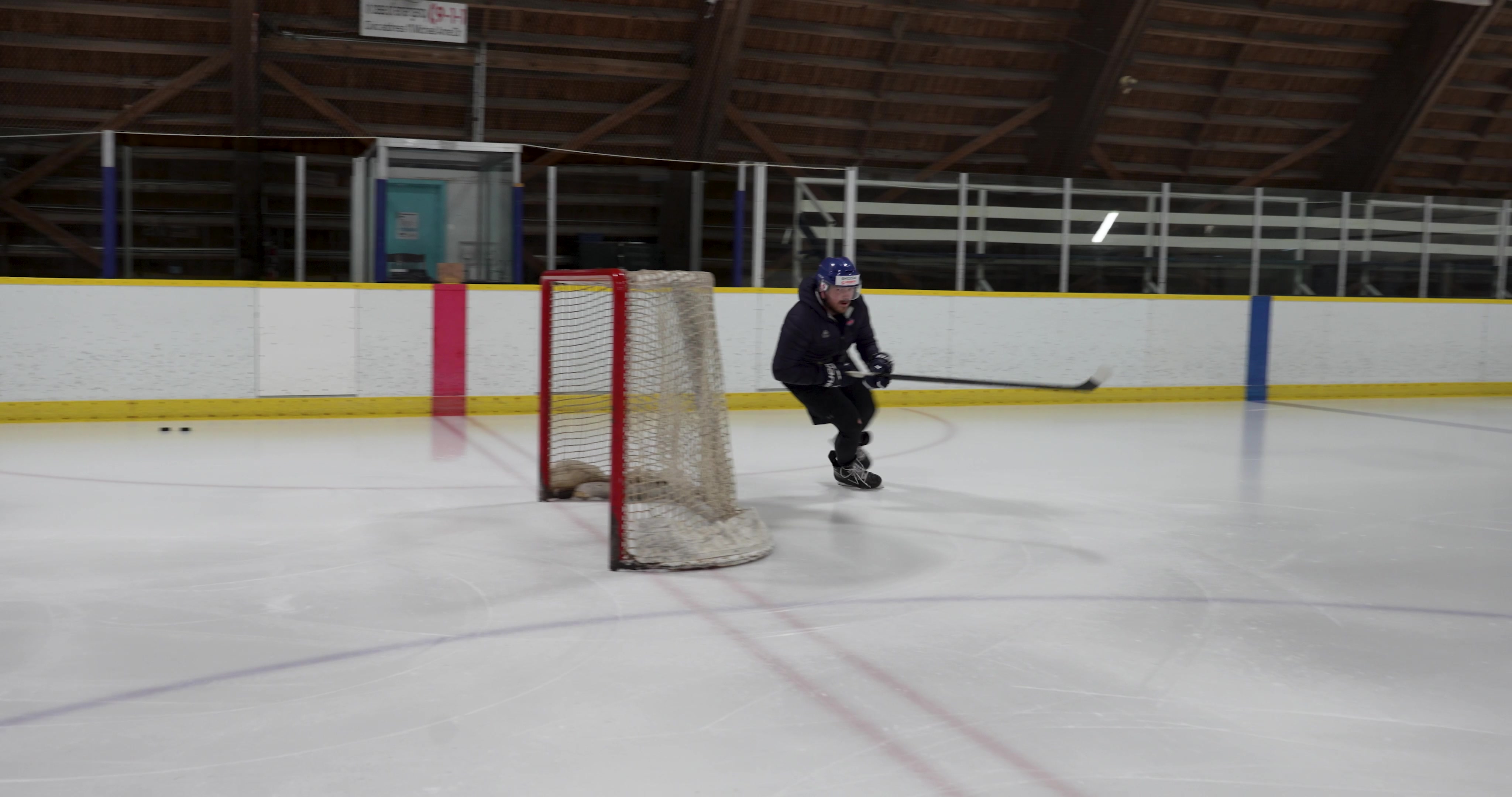

The DTHA approach
Not just more shots.
Better reads.
Every drill connects movement to information. The goal is not only to make the save—it is to arrive prepared, control the result and recover for what comes next.
Position-specific development • Crease to game
Position-specific coaching that helps goalies move efficiently, read the play earlier and recover with structure when the first save is not the last action.
Why goalie-specific work
Goalies need time to isolate details that team practices often move past: stance, edges, depth, sightlines, save selection and the route into the next play.
The DTHA approach
Every drill connects movement to information. The goal is not only to make the save—it is to arrive prepared, control the result and recover for what comes next.
What we develop
Position-specific technique matters most when it stays connected to the puck, the threat and the next decision.
Edges, stance, post integration and routes that keep the goalie balanced and available.
Finding the puck early, maintaining sightlines and arriving set before the release.
Choosing an efficient response based on distance, traffic, angle and available time.
Rebound control, second-effort routes and calm structure after the first save.
How a session works
The session progresses from movement detail into realistic reads and second-chance situations.
We start with stance, movement, tracking and the situations currently creating the most difficulty.
The goalie learns the most efficient movement and set position for the problem being trained.
Traffic, releases, lateral plays and rebounds make the movement respond to real information.
The rep continues beyond the first save so recovery habits become part of the solution.
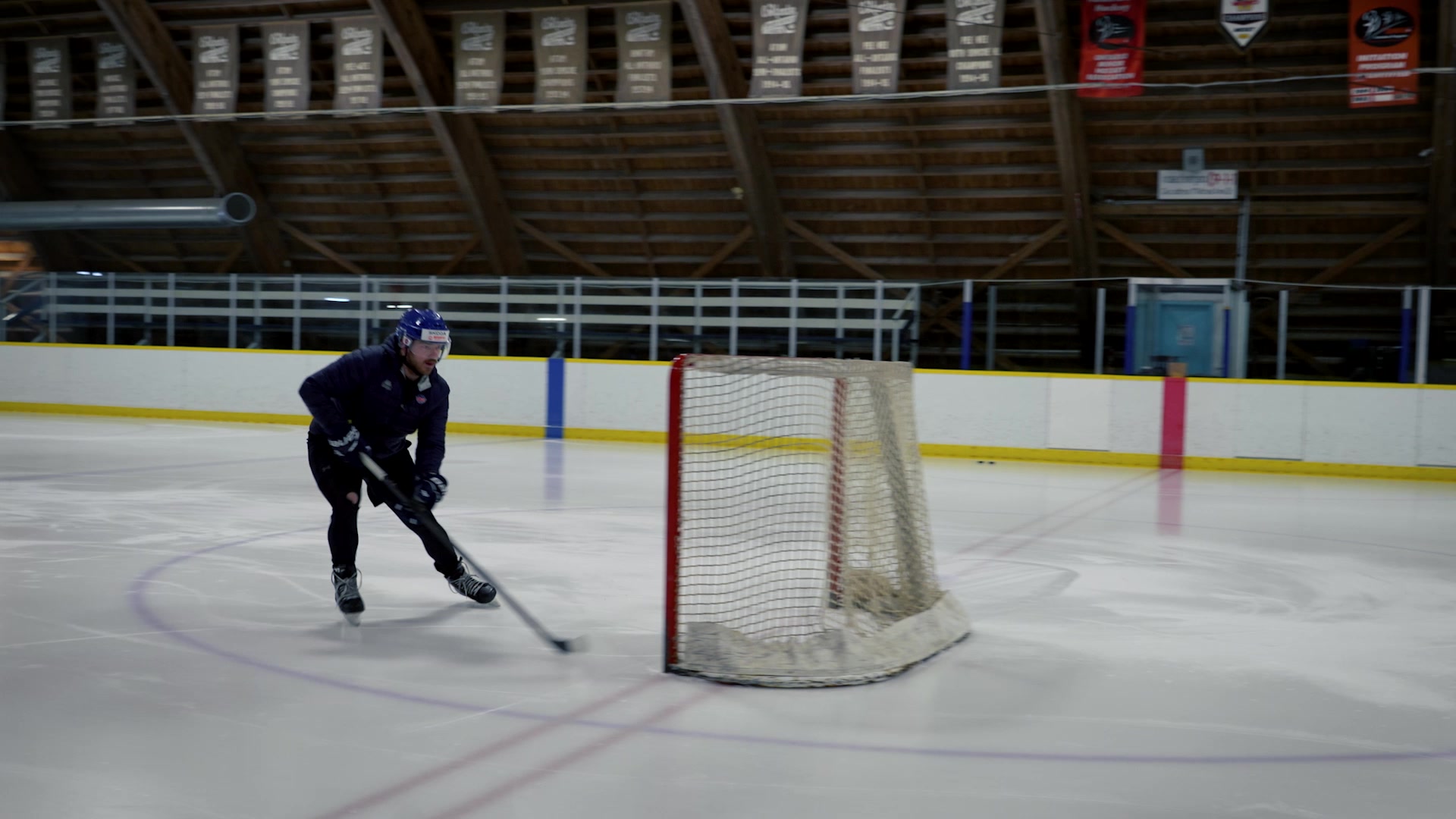
Built around the goalie
Goalie coaching can support a technical reset, improve consistency during the season or prepare the player for a higher pace of play.
What families can expect
DTHA explains what the goalie is seeing, why a movement is breaking down and what the next repeatable solution should be.
The goalie understands the visual cue that should start the movement or save response.
Corrections are tied to stance, depth, hands, edges and recovery—not generic effort.
The player leaves with a priority that can be reinforced in practice and games.
The DTHA standard
See it early.
Arrive set.
Recover with purpose.
Goalie development should create a calmer, more efficient and more responsible last line of defence.
Start here
Tell us about the goalie’s age, current level and the situations that need the most attention. DTHA will recommend the right starting point.
Request an evaluation→Location, format and service details are confirmed after the initial conversation.