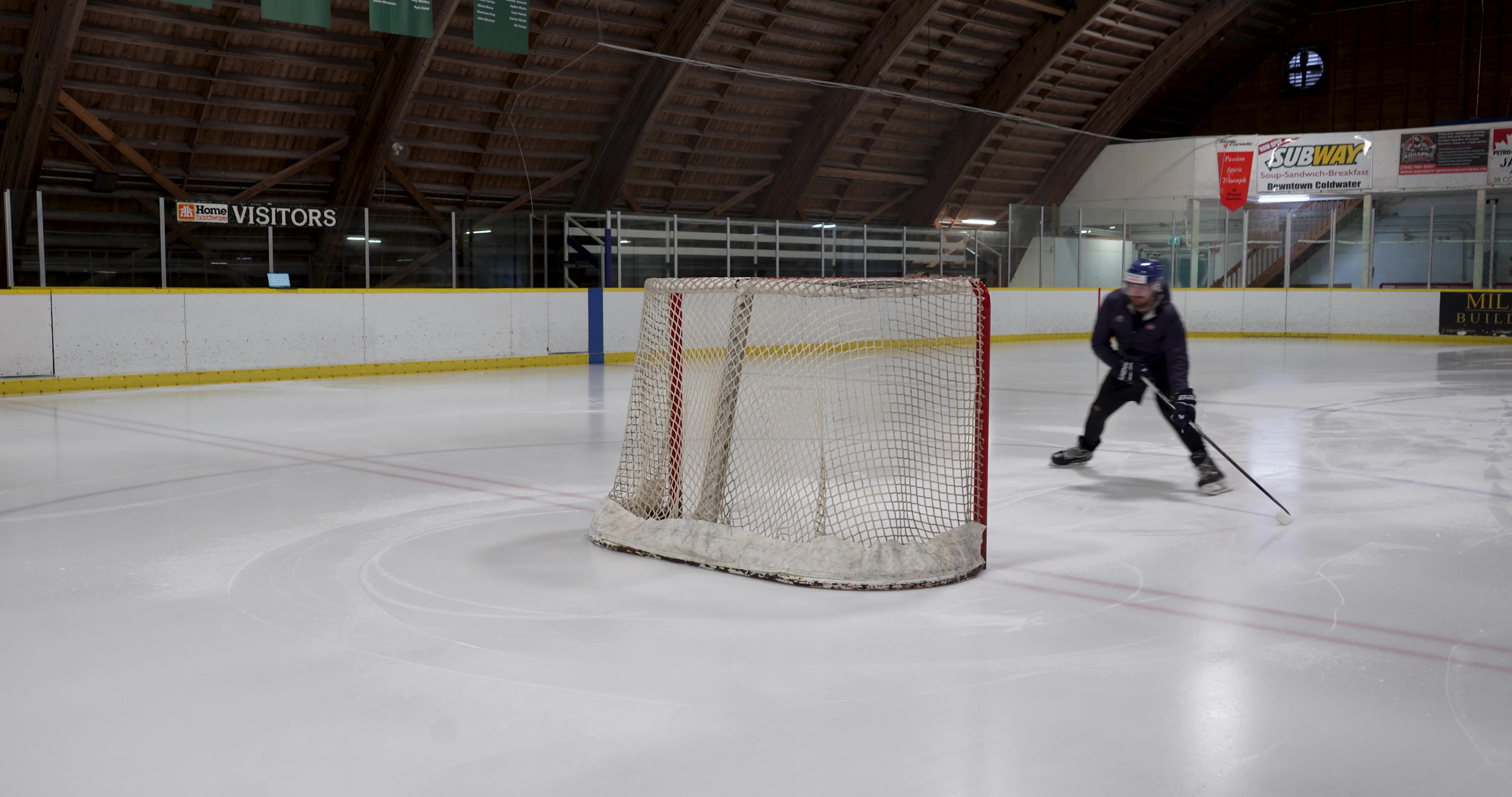

The DTHA approach
Not a drill list.
A progression.
Every exercise has a reason. Each correction connects to the next repetition, and each repetition connects to the game.
On-ice development • One player at a time
Focused coaching built around the player’s mechanics, execution, decisions and ability to transfer better habits into real game situations.
Why individual work
Private sessions create the time and space to identify what is limiting the player, correct it clearly and build a repeatable solution without losing the pace and pressure of hockey.
The DTHA approach
Every exercise has a reason. Each correction connects to the next repetition, and each repetition connects to the game.
What we develop
Technical skill matters, but it becomes useful only when the player can execute it at speed, read the situation and repeat the right action under pressure.
Edges, posture, balance, hand position and movement patterns that make execution more efficient.
Puck control, protection, passing and shooting while moving with purpose and pace.
Scanning, timing, routes and choices that help the player solve problems before pressure arrives.
Progressions that move from isolated detail to realistic game speed, pressure and consequence.
How a session works
There is no generic template. The structure changes with the player, but the coaching process stays clear and consistent.
We start with the player’s current level, role, habits and the most important problem to solve.
The coach explains the detail in practical language and demonstrates what needs to change.
Repetitions become faster and more demanding without allowing the quality of the movement to disappear.
The player applies the correction through reads, routes, pressure and realistic hockey decisions.
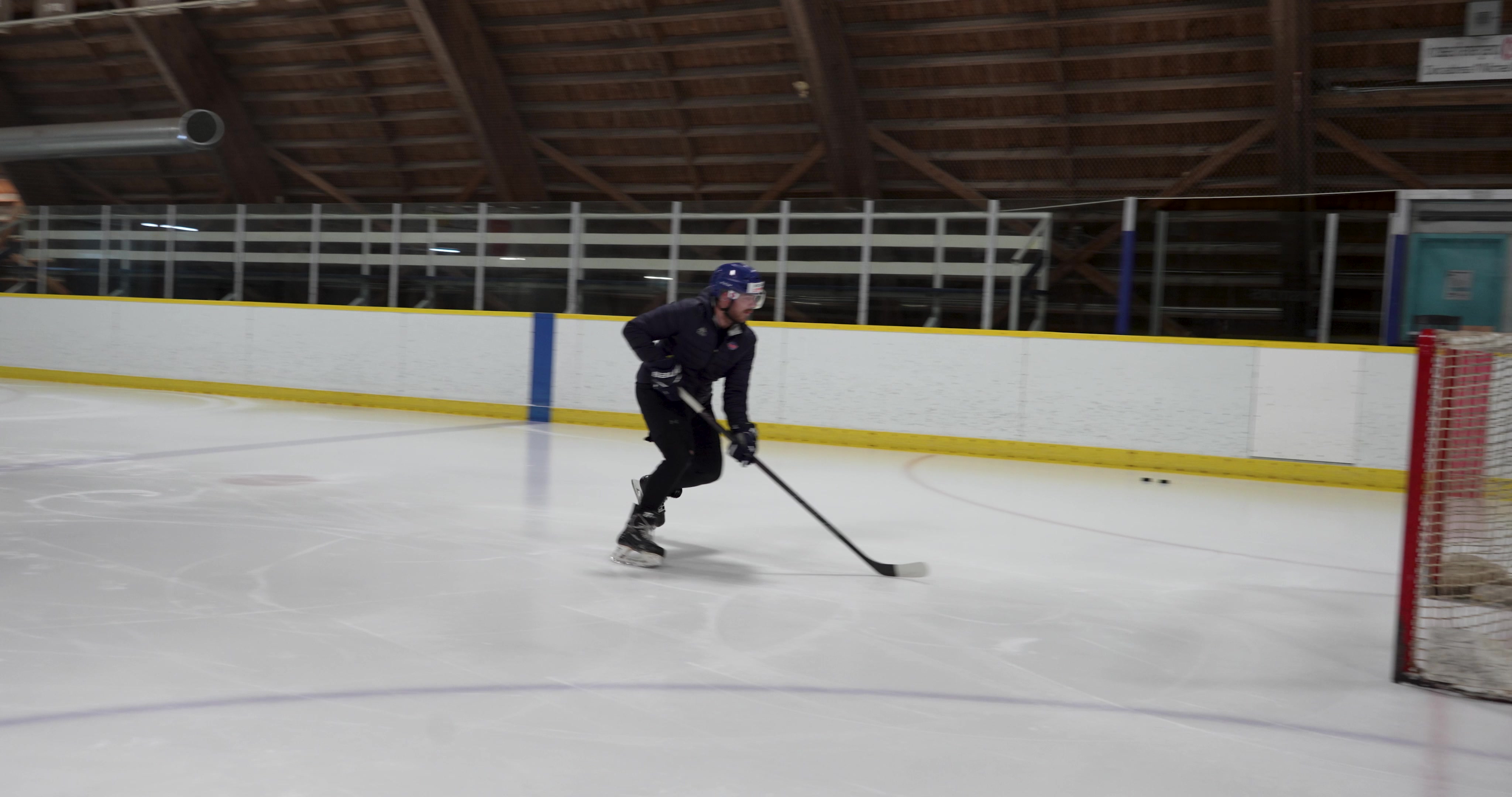
Built around the player
Individual coaching can support a technical rebuild, help a player break through a performance plateau or provide focused work between team practices.
What families can expect
DTHA communicates honestly about what the player is doing well, what needs work and where the next block of development should go.
The player understands what the session is solving and why the detail matters.
Corrections are specific, immediate and connected to the player’s own movement.
Families leave with a clearer picture of what should be reinforced next.
The DTHA standard
Correct the detail.
Repeat it with purpose.
Use it in the game.
Individual development should create a more capable, more aware and more responsible player—not just a better-looking drill.
Start here
Tell us about the player, their current level and what you want to improve. DTHA will recommend the right starting point.
Request an evaluation→ Location and session details are confirmed after the initial conversation.