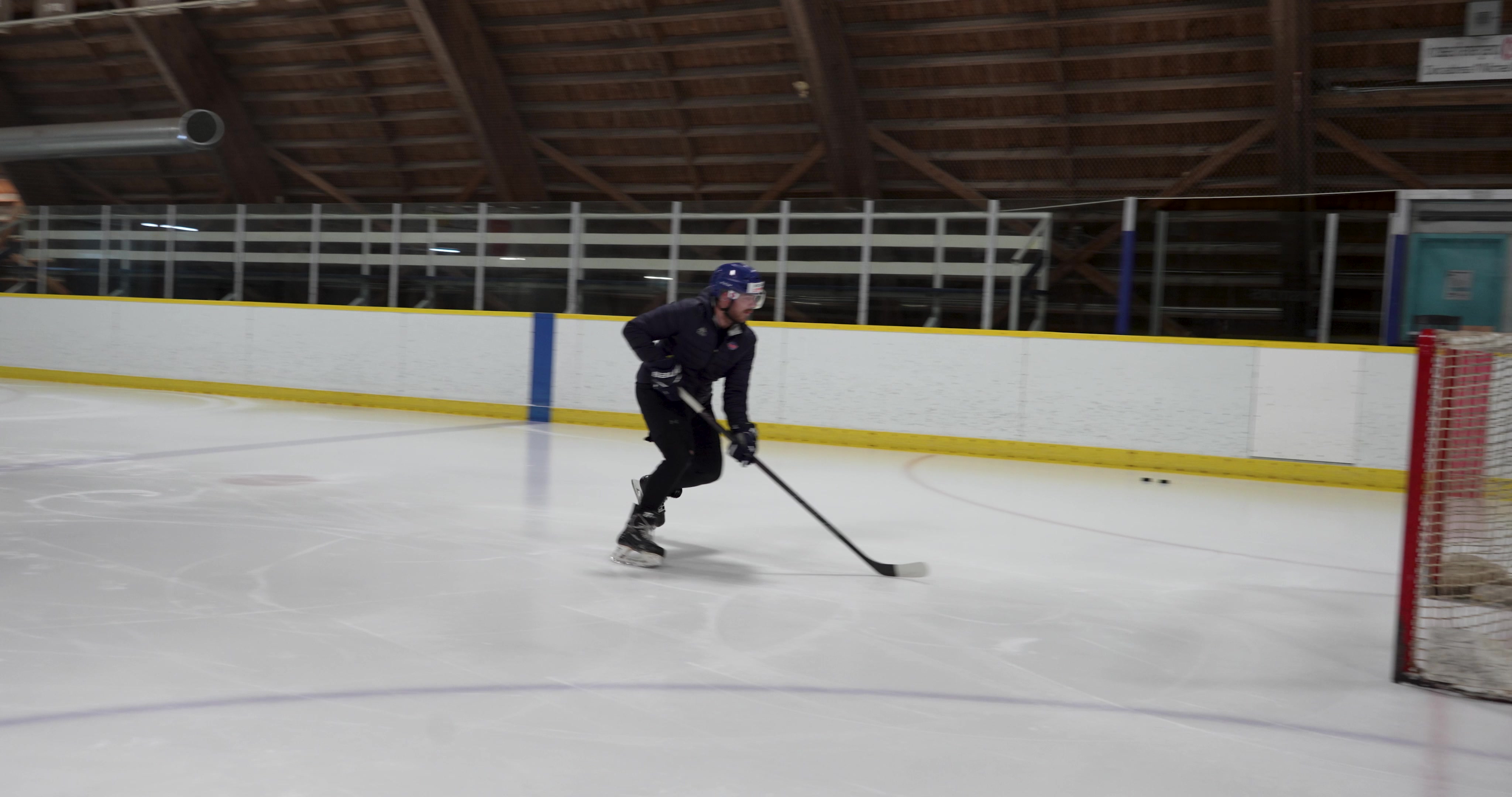

The DTHA approach
Testing only matters
when it changes the plan.
Numbers are translated into practical training, recovery and nutrition priorities the player and family can understand and use.
Build the complete athlete • Measure what matters
Physical testing and practical performance support that connects stamina, power, mobility, recovery and nutrition to the demands of hockey.
Why performance matters
A player may understand the game and execute a skill once, but performance depends on the ability to repeat quality actions, recover between efforts and stay available throughout the season.
The DTHA approach
Numbers are translated into practical training, recovery and nutrition priorities the player and family can understand and use.
What we measure
The clinic connects objective testing with the daily habits that support performance and availability.
VO₂MAX and stamina indicators that help explain sustained work and recovery between efforts.
Wingate-style power and fatigue information related to explosive repeated effort.
Movement quality, recovery status and habits that support efficient training.
Practical nutrition, hydration, sleep and recovery routines built around the player’s schedule.
How the clinic works
The goal is to establish a useful baseline and turn it into realistic actions—not to collect numbers without direction.
We review training load, games, school demands, sleep, nutrition and the family’s main concerns.
Appropriate tests and observations identify current capacity, power and readiness.
The information is explained in practical language and connected to hockey demands.
The player receives priorities for training, recovery, fuel and future monitoring.
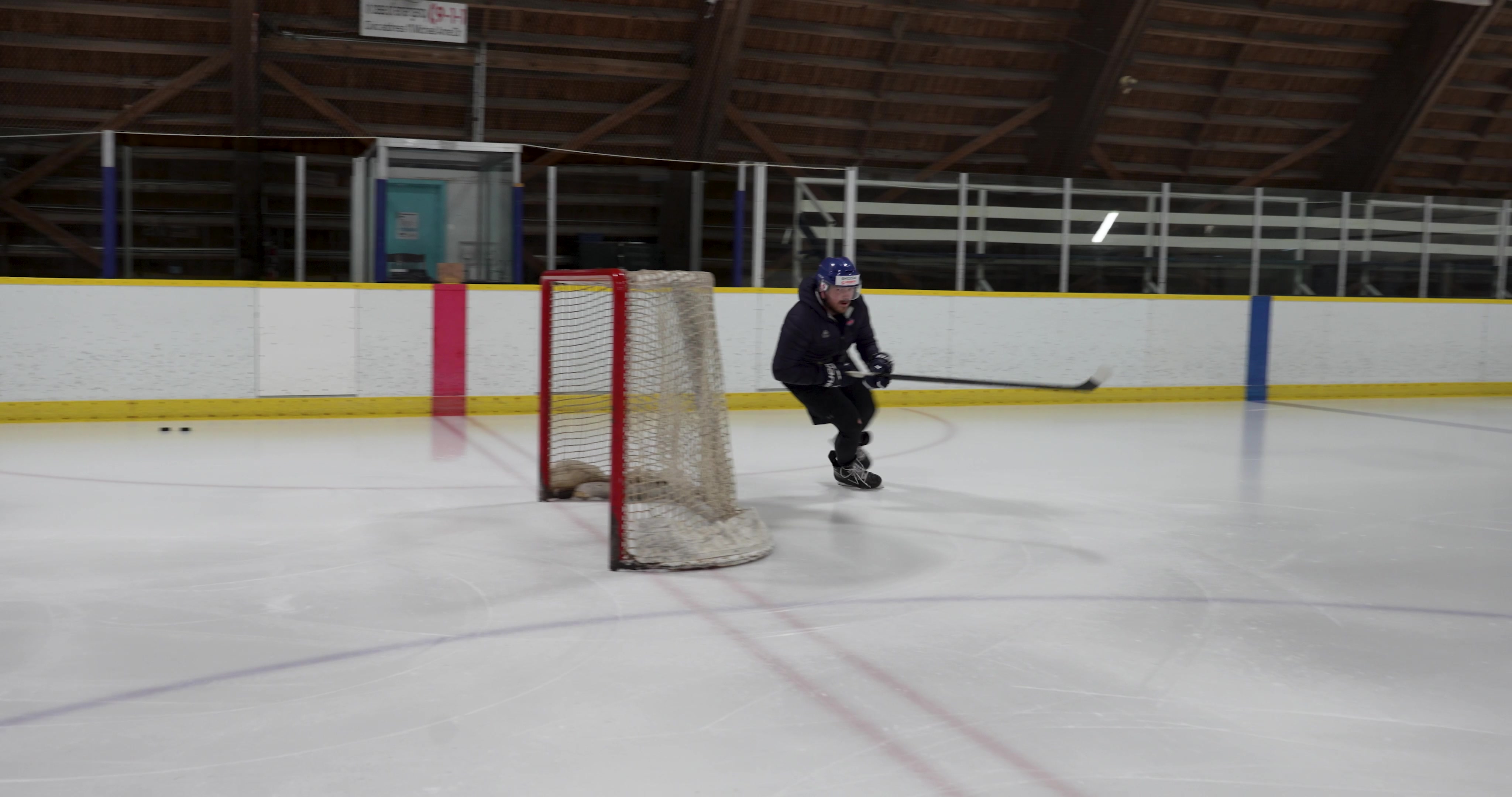
Built around repeatability
Performance support can help players prepare for a demanding season, understand fatigue, improve recovery habits or monitor progress across a development block.
What families can expect
DTHA focuses on information the player can act on and avoids turning testing into a score without context.
Results create reference points that can be monitored over time.
Recommendations reflect the player’s stage, schedule and realistic responsibilities.
Physical support is aligned with on-ice development and competitive demands.
The DTHA standard
Measure what matters.
Build what is missing.
Repeat quality longer.
Performance is not one perfect effort. It is the player’s ability to produce, recover and produce again.
Start here
Tell us about the player’s age, schedule and performance goals. DTHA will recommend the appropriate starting point for testing or guidance.
Request an evaluation→Location, format and service details are confirmed after the initial conversation.