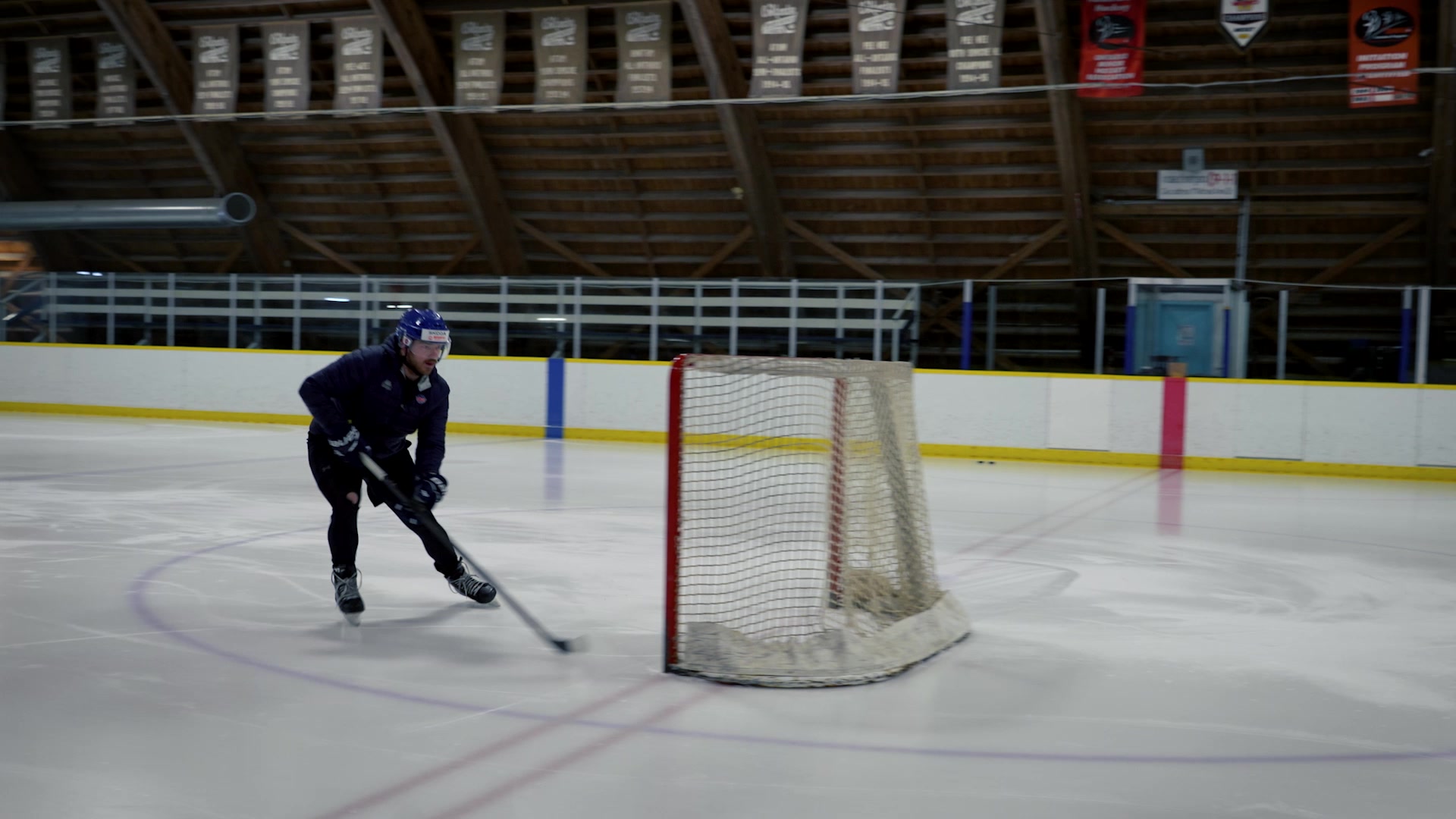

The DTHA approach
Not a highlight reel.
A learning tool.
We use selected clips to explain what happened before the obvious moment, then connect the lesson to a clear on-ice or off-ice priority.
See the game differently • Shift by shift
Clear video review that helps the player recognize patterns, understand decisions and turn game footage into practical actions for the next practice and the next shift.
Why video works
Players often remember the result of a shift but not the positioning, timing or earlier decision that created it. Video makes those details visible and repeatable.
The DTHA approach
We use selected clips to explain what happened before the obvious moment, then connect the lesson to a clear on-ice or off-ice priority.
What we review
The goal is not to overload the player with clips. It is to identify the few patterns that will change the most decisions.
Routes, spacing, support and body position before the puck arrives.
When to move, hold, release, support or create separation.
Options, pressure recognition and choices that protect possession or create advantage.
Scanning, defensive responsibility, anticipation and useful movement without possession.
How a review works
The review stays concise, role-specific and connected to actions the player can actually train.
We use complete shifts or game segments so the review includes context before and after the puck touch.
The coach looks for recurring positioning, timing and decision habits—not one isolated mistake.
Clips are selected and discussed in practical language the player can recognize during play.
The review ends with a short list of priorities for practice, games or individual sessions.
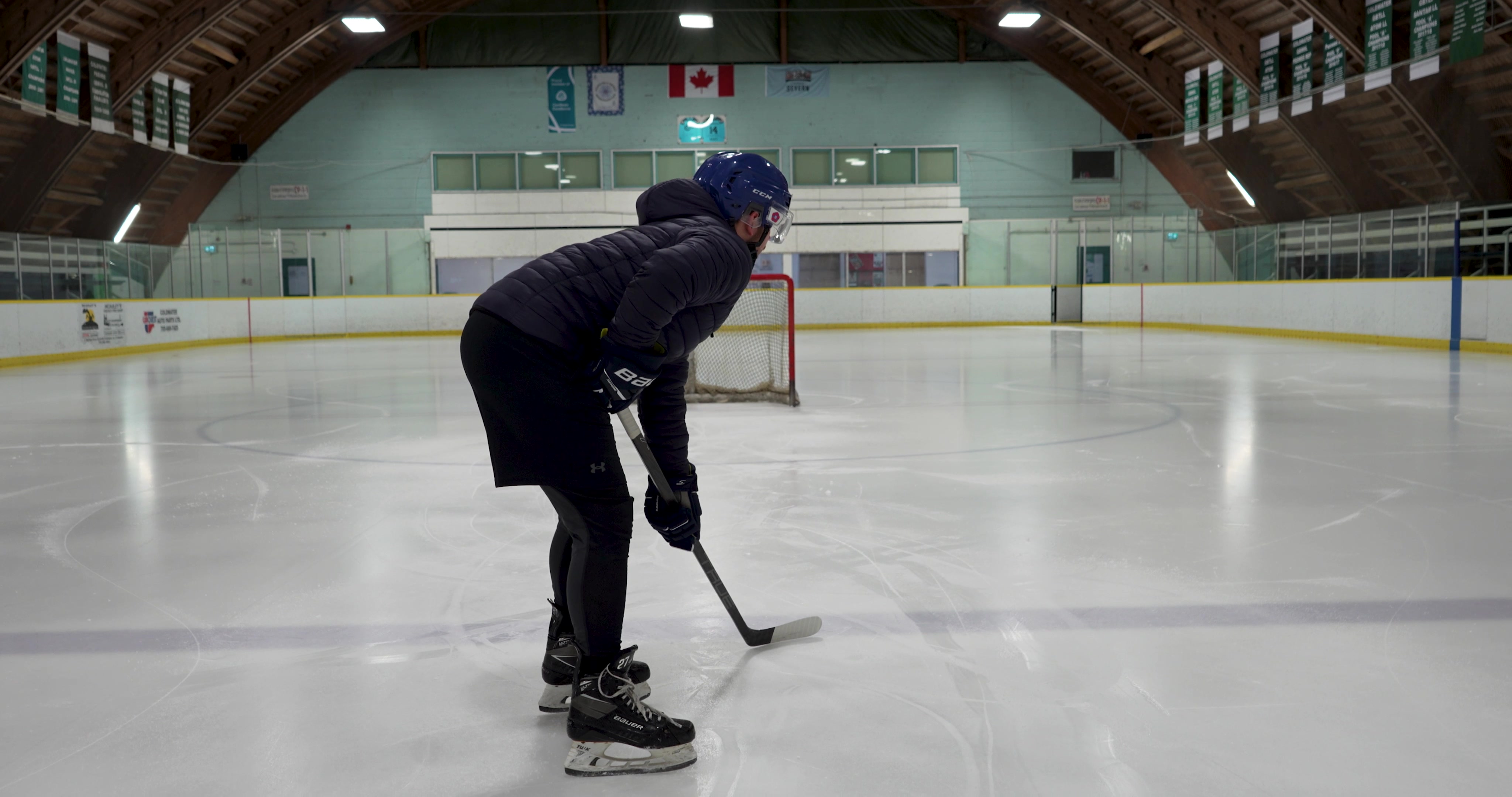
Built around the player
Video coaching supports players who want to understand their role, improve hockey sense or connect technical training with game performance.
What families can expect
DTHA keeps feedback direct and useful so the player leaves knowing exactly what to notice and what to do next.
The review explains the situation and available options rather than labelling one moment as failure.
Players see the habit clearly instead of relying only on memory or general feedback.
The goal is to help the player recognize the situation independently in future games.
The DTHA standard
See the game.
Understand the choice.
Change the next shift.
The best video feedback creates awareness the player can use before the coach needs to say it again.
Start here
Tell us about the player, their position and what you want to understand. DTHA will explain the footage needed and the best review format.
Request an evaluation→Location, format and service details are confirmed after the initial conversation.