
A player planning the next development block
DTHA service · 04
Scouting + Evaluation
An honest profile of current performance, development priorities and realistic next steps.A useful evaluation is not a single score and it is not a promise. DTHA combines player context, live or video observation and a consistent development framework to explain what is working, what is limiting the player and what deserves attention next.
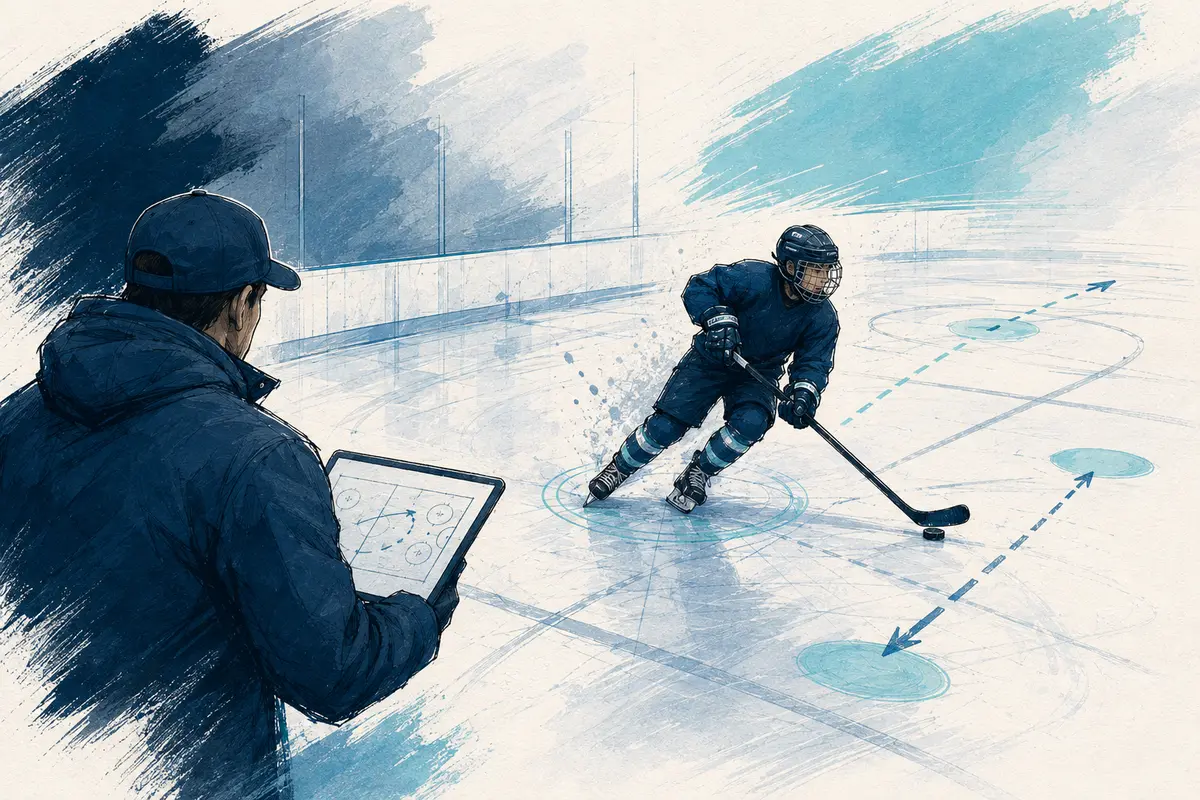
01 · FormatLive, video or combined
02 · FocusCurrent level + next priorities
03 · MethodObserve → Compare → Recommend
Start with the real situation
This service earns its place when the problem is specific.
DTHA does not begin with a package. We begin with the player’s age, experience, current environment and the game situation that needs to change.
A family considering a team, role or training investment
A coach seeking an outside player-development perspective
A player who needs direct feedback before the next season
Choose the right layer
Choose the evidence that fits the decision.
Live observation and complete-game video reveal different information. Both formats use the same whole-player framework and state the limits of the sample clearly.
Game environment · bench response · repeat behaviour
Observe the player inside the real environment.
Live evaluation preserves pace, communication, bench behaviour, shift context and details that camera position may hide. The report describes current evidence and next priorities without pretending one game predicts the future.
Best used when
- A family considering the next development block
- A player needing an independent complete-game perspective
- A role or readiness question that depends on the full environment
What we developFour connected priorities
01
Technical transfer
How skating and puck skill hold up at the game’s real pace.
02
Game intelligence
Scanning, anticipation, options and response when the first plan disappears.
03
Competitive habits
Transition effort, body position, communication and response after mistakes.
04
Role value
How repeat behaviours support the responsibilities of the current position and team.
How the session movesFrom context to transfer
- 01Question
Define the decision the evaluation must help the player make.
- 02Context
Record age, level, role, history, goals and current opportunity.
- 03Observe
Track repeated behaviours before, during and after puck actions.
- 04Recommend
Prioritize the gaps and explain the next realistic development step.
What responsible progress looks like
Change we can observe—not a promise we cannot control.
- The player receives specific examples rather than a global grade
- Strengths and priorities are placed in a useful order
- The next training decision becomes clearer and more realistic
Explore this service by age
The service stays focused. The coaching changes.
Choose U6–U20. Situations, priorities, coaching design and observable progress update here without sending the family to another page.
U6 · Discover
No ranking. Only developmental observation.
01
The goal is confidence, curiosity and broad movement—not a polished position or an early performance label.
3 focused cards for U6 · tap or click “Flip for details”
See the complete DTHA development standard Age is a starting point, not a diagnosis. Maturation, experience, current level, health, motivation and total weekly load can change the responsible coaching dose.
How DTHA works
A progression—not a collection of drills.
The exact content is service-specific, but every step must move the player from clearer information toward more independent performance.
- 01
Define the question
We clarify the decision the player or family is actually trying to make.
- 02
Build context
Age, position, team, role, history, goals and available footage shape the evaluation.
- 03
Observe more than outcomes
The review tracks repeat behaviors before, during and after puck actions.
- 04
Prioritize the gaps
Not every weakness is equally urgent; the profile identifies what will change performance most.
- 05
Recommend the next step
Training, role and environment recommendations are explained with limits and realistic expectations.
Evidence behind the service
What leading hockey systems say—and how DTHA applies it.
These are direct links to the original organizations. DTHA uses their development principles independently; the references do not imply affiliation or endorsement.
01 · Hockey Canada
Measure development beyond wins and losses
Hockey Canada’s National Skills Standards & Testing Program is designed to provide positive individual feedback and a method of measuring success beyond team results.
DTHA applicationDTHA evaluations separate trainable player behaviours from the scoreboard and explain the evidence behind each priority.
02 · Hockey Canada
Comparable conditions make monitoring useful
Hockey Canada recommends consistent testing conditions and multiple checkpoints so comparisons show meaningful change over time.
DTHA applicationDTHA records context and avoids treating one observation as a permanent label or guaranteed projection.
03 · USA Hockey
Evaluation can be a teaching tool
USA Hockey describes season evaluation as an opportunity to track involvement and repeat behaviours, not only goals, assists or subjective impressions.
DTHA applicationThe DTHA profile pairs clear examples with a prioritized action plan the player can actually train.
What the player leaves with
Clear priorities that continue after the session.
The exact deliverable depends on the service and agreed scope. Every recommendation should be understandable, trainable and connected to the player’s real environment.
- A balanced strengths-and-priorities profile
- Specific examples supporting the evaluation
- Development priorities in a useful order
- A realistic recommendation without outcome guarantees
Start with context
Tell us what is happening in games.
Send the age, position, level, recent feedback, schedule and the problem you want to solve. DTHA will recommend the responsible first step.
Request an Assessment Call (942) 882-2701DTHA does not guarantee selection, placement, scholarships, performance outcomes or injury prevention. Recommendations are based on the information and observation available at the time.
01
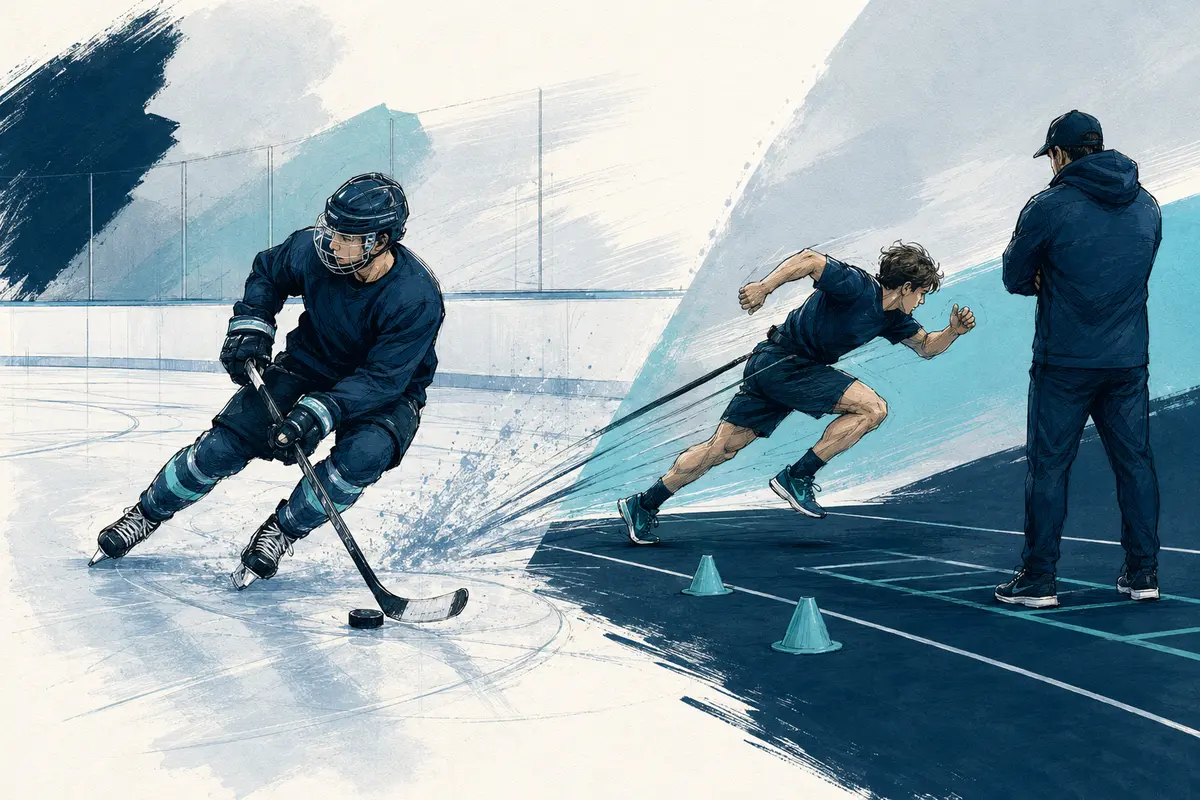 Individual Sessions
Correct the detail, add information, then make it survive the game.
02
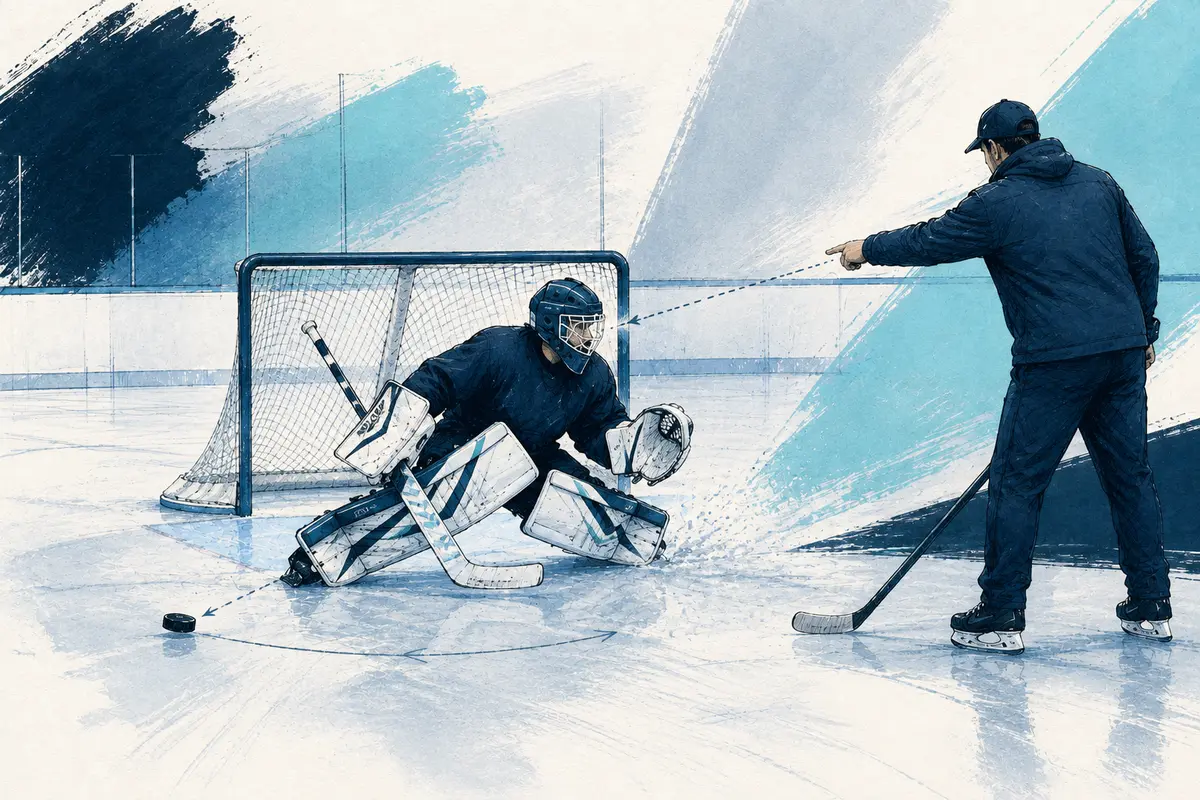 Goalie Coaching
Goalie training built around the puck, the threat and the next action.
03
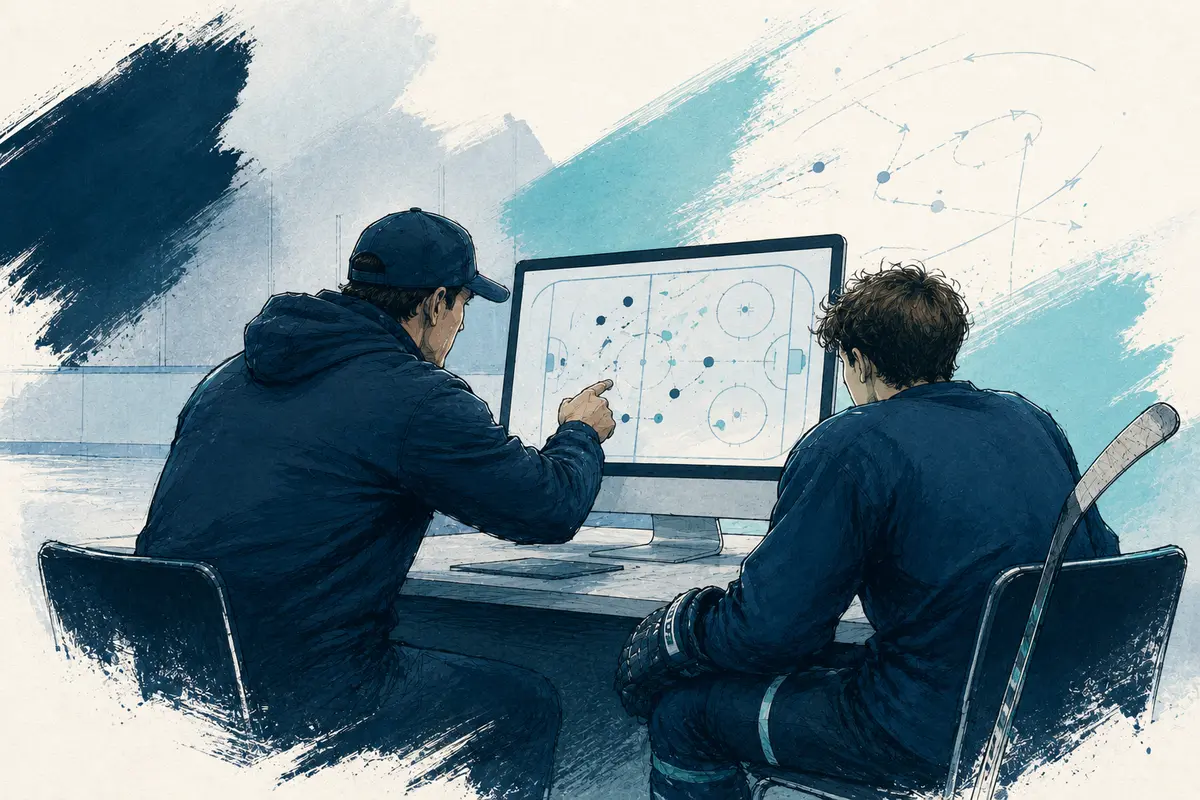 Video Coaching
Complete shifts become a practical development plan—not a highlight reel.
05
 Athletic Performance
Hockey skill needs the capacity to repeat quality actions throughout a shift, game and season.